
The Dropped Drumstick That Invented a Sound
Hal Blaine was reaching for a cigarette when the stick slipped. The accidental rim-crack on beat three became the signature of a song that spent eleven weeks at number one.
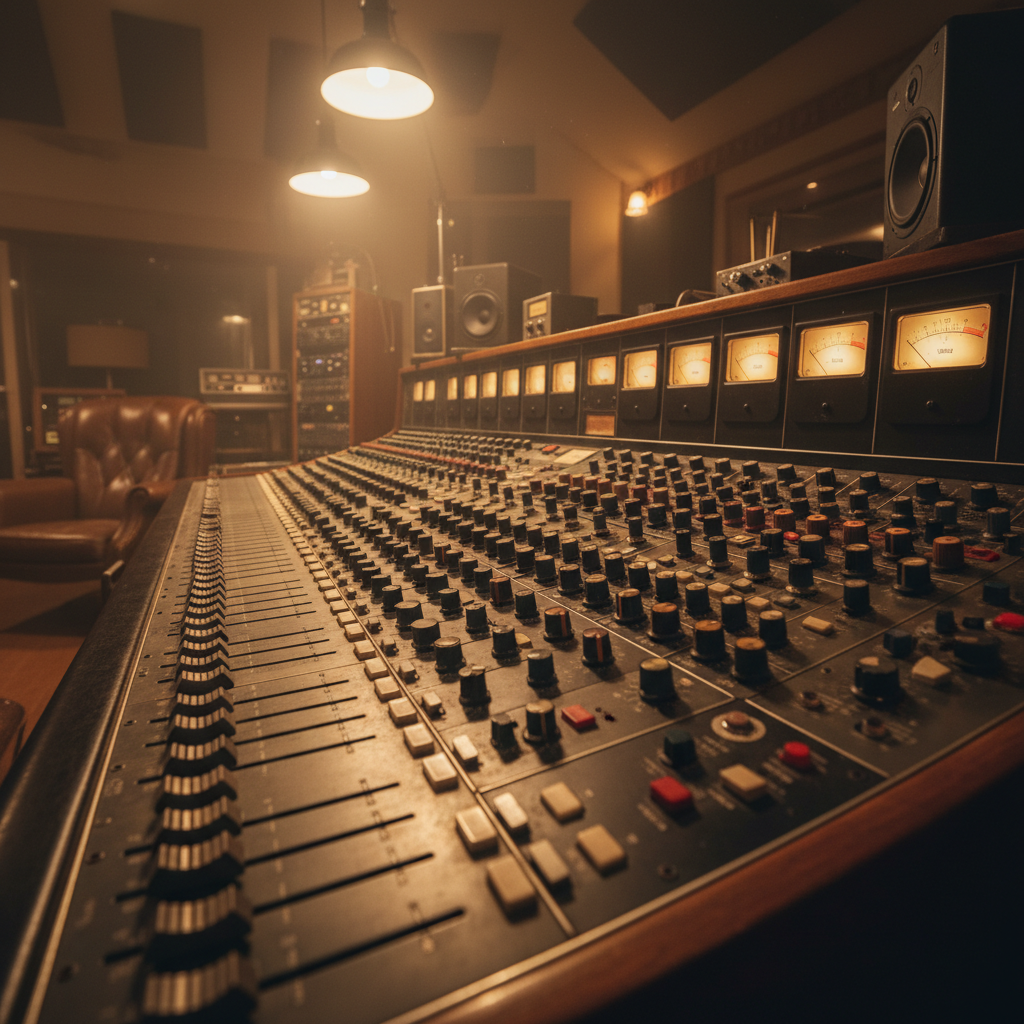
Studio B, RCA Victor, Nashville — 1968. Photograph: Charlie McCoy Archive.
Between 1962 and 1971, a loose collective of studio musicians in Nashville played on an estimated 35,000 recordings. Their names appeared on no album sleeves. Their faces weren't in the liner notes. But their hands — and the particular way they heard a chord change — shaped the sound of a decade.
"We'd cut four sessions a day. You didn't get attached to the song. You got attached to the groove."
— Hargus "Pig" Robbins, session pianist, Nashville, 1969Hal Blaine was reaching for a cigarette when the stick slipped. The accidental rim-crack on beat three became the signature of a song that spent eleven weeks at number one.
The A-side charted. The B-side — a throwaway instrumental recorded in twenty minutes to fill the disc — quietly became the most sampled recording of the next forty years.
The Magnatone Model 280 was a budget amplifier sold at department stores. In the hands of one studio guitarist, its broken tremolo circuit produced a wobble that defined an era.
“The session musician is the ghost in the machine. The song wouldn't exist without them. The credit always went somewhere else.”
On the night of September 14, 1970, an engineer at Electric Lady Studios in Greenwich Village queued the wrong reel for erasure. The forty-minute session he nearly wiped contained the only known recording of Jimi Hendrix working through a chord progression he had been developing for three years.
The tape sat in an unlabeled box for seventeen years before a storage cleanout surfaced it. What the archivists found inside forced a reappraisal of everything that had been written about the final months of his career.
"The mislabeled tape is the great equalizer. It doesn't know it's history yet."
— Davia Nelson, oral historian & audio archivist

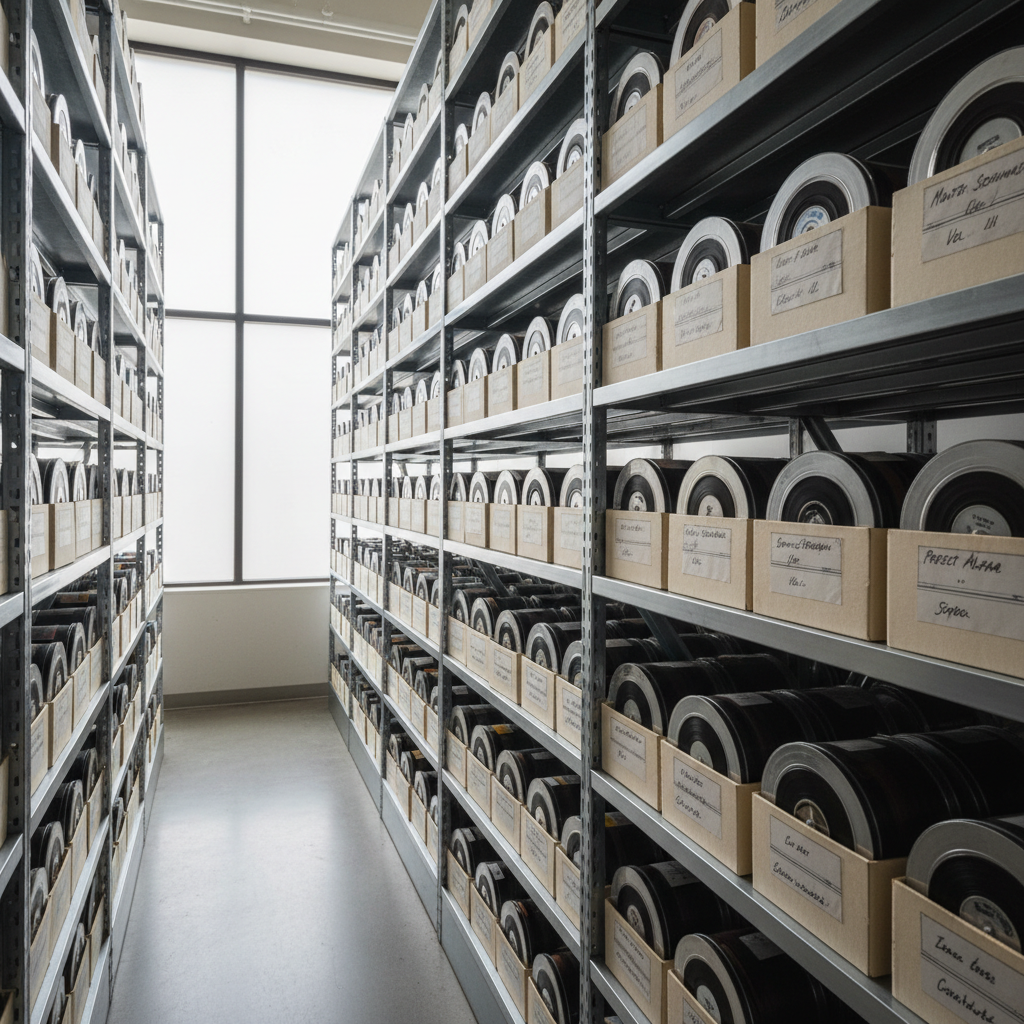
Tape vault, Electric Lady Studios, New York — photographed 1971. Courtesy of the Hendrix Estate Archive.
When the Urei 1176 was pushed past its rated threshold, it distorted. Every engineer knew this. One producer in Detroit decided the distortion was the song.
The session player misread the key signature. The producer was about to stop the take. The arranger said wait. The chord that followed has been analyzed in music theory journals for thirty years.
Every session player profiled, every studio accident documented, every B-side excavated — indexed by artist, year, studio, and instrument. The archive is a rabbit hole. You've been warned.
340+
Stories
12,000
Subscribers
1962–
Earliest Session
From the two-minute filler cuts of the 1950s to the conceptual statements hiding on the reverse of UK pressings through the 1980s, the B-side was where artists went to think out loud. Nobody expected to listen. That was exactly the point.
This is a survey of forty recordings that never charted, never got played on radio, and never appeared in a greatest-hits compilation — and why that makes them the most important documents of their era.
Atlantic Records pressed a mono mix for British distribution that ran two seconds shorter and included a guitar part cut from the US master. It's a different song.
The composer got the royalties. The arranger got a flat fee and a thank-you in the back of a tour program. Forty years later, the arranger's contribution is finally documented.
Every Friday: one deep-dive story, one session musician profile, one B-side you've never heard. 12,000 readers. No ads. No affiliate links. Just the history that didn't make the album sleeve.